ten years, made slowly
I grew up with a mother who repaired and remade our clothes rather than replaced them. The idea that you build a long relationship with what you own was in me long before I had language for it.
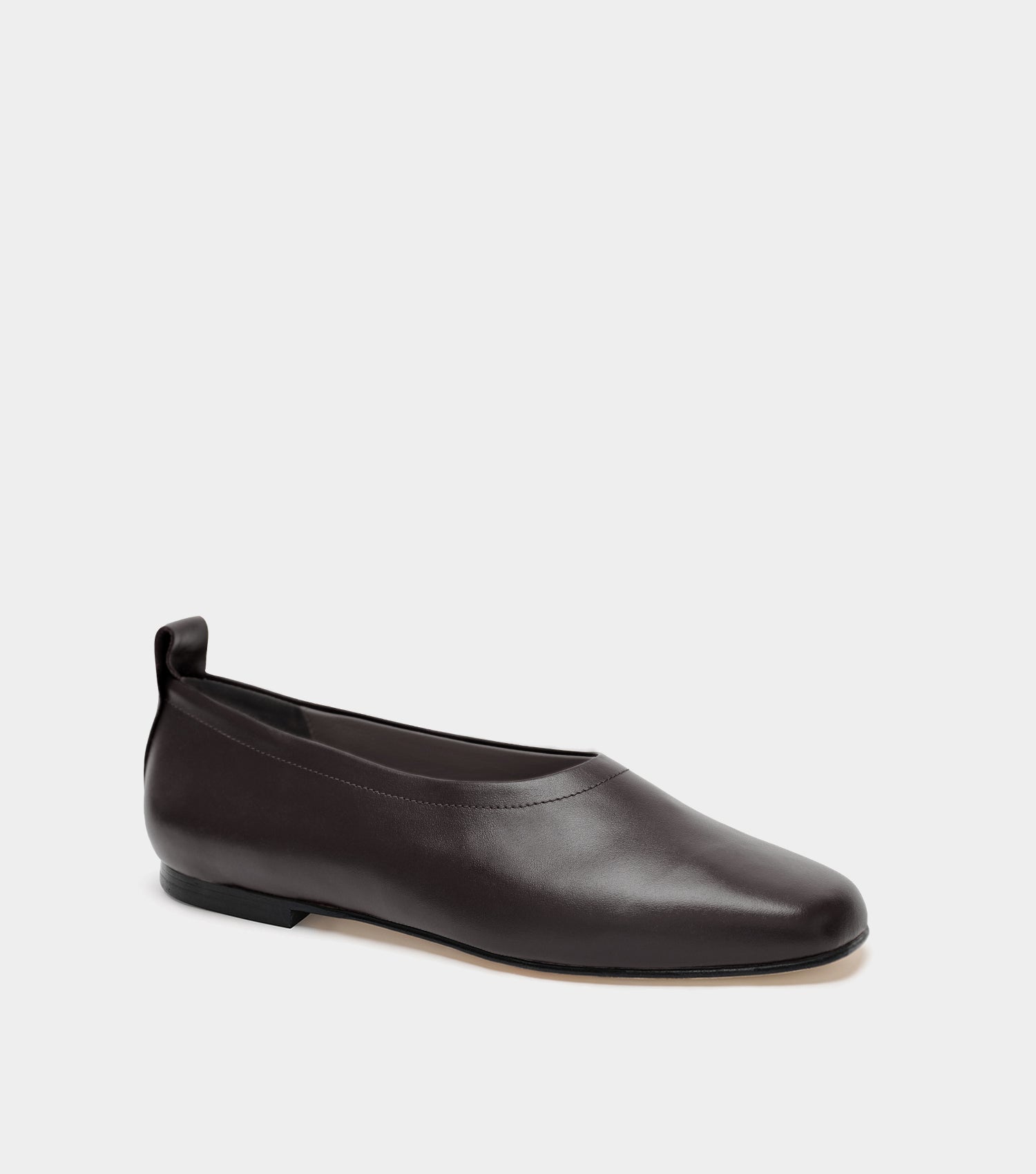
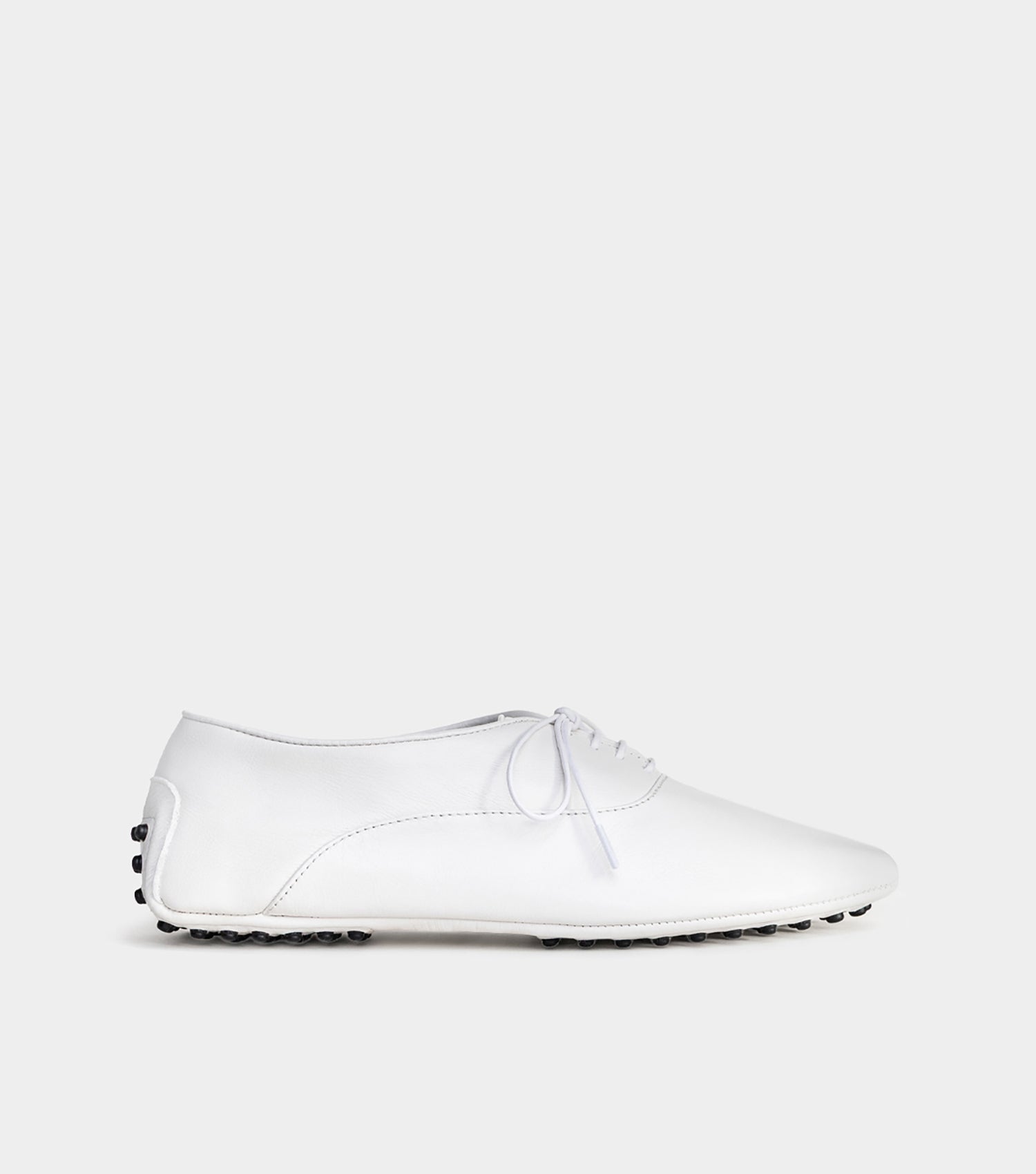
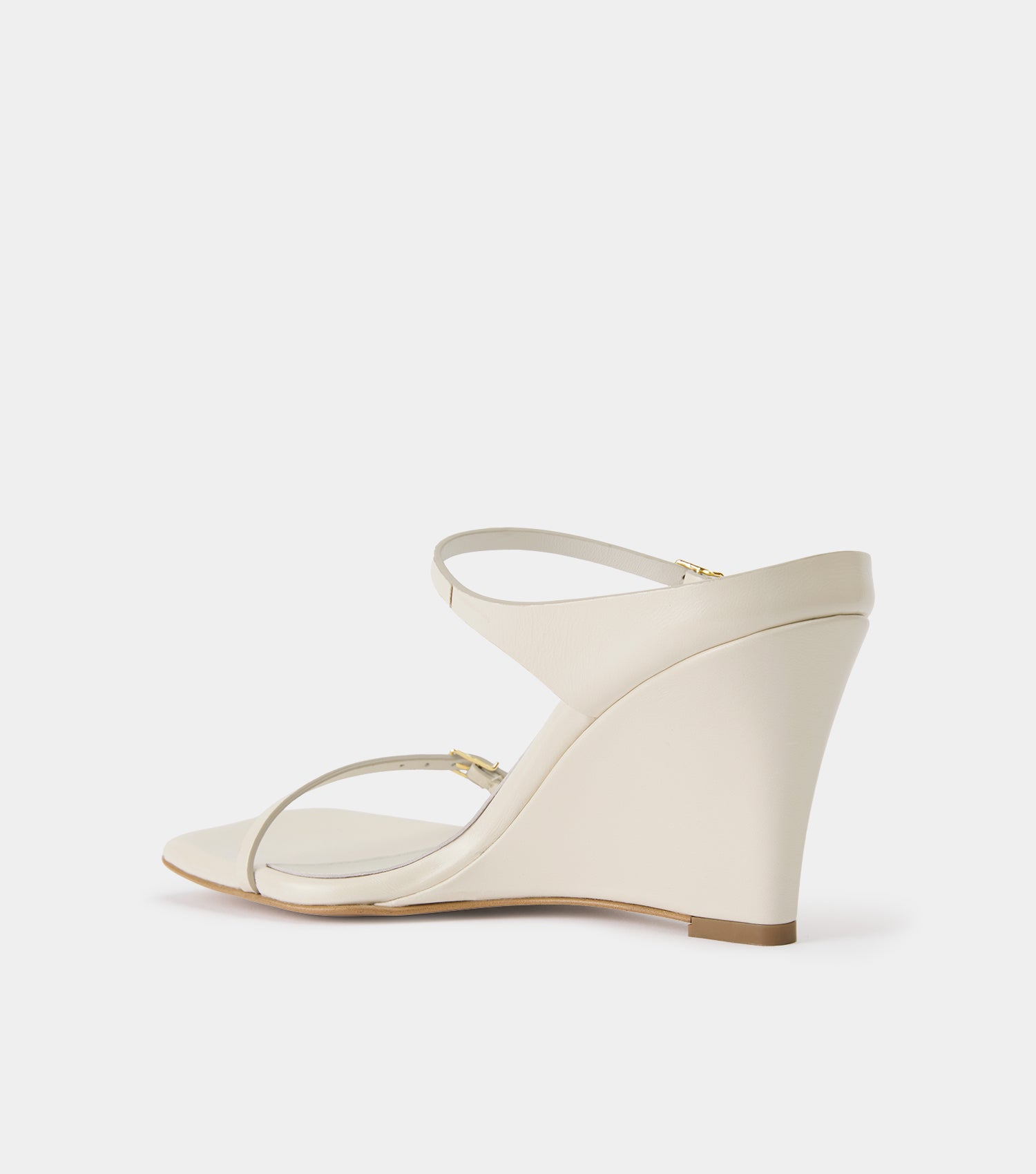
Years later, working in fashion, I became increasingly aware of how much the industry was missing the mark. I couldn't find the shoes I wanted to wear: comfortable, well made, ethically produced, without asking me to spend a fortune or compromise on how they looked. I believed comfort and integrity weren't concessions you made to beautiful design, but part of what beautiful design actually meant.
I also believed that having fewer resources to play with, fewer seasons, fewer colours, fewer shortcuts, would make me a better designer. Constraint has always sharpened my thinking rather than limited it. As they say: you don't need a bigger wardrobe. you need a stronger point of view.
Ten years of building ESSEN have tested that belief in ways I couldn't have anticipated.

There has always been a version of the business that could have grown faster. More seasons. Wholesale at scale. Factories that could produce more, quicker, cheaper. We’ve always turned down those opportunities. Staying at our own pace has required patience and discipline, but also trust in decisions that didn't always make immediate business sense.
On-demand manufacturing was one of them. It sounds like an operational decision, but it changed almost everything: how we design, how we plan, how we speak to customers, even who could make our shoes. Traditional workshops were built around bulk orders, and we were asking them to work differently. For every workshop that came with us, several turned us away. I lost partnerships I valued in the short term to protect something I believed mattered more in the long term.


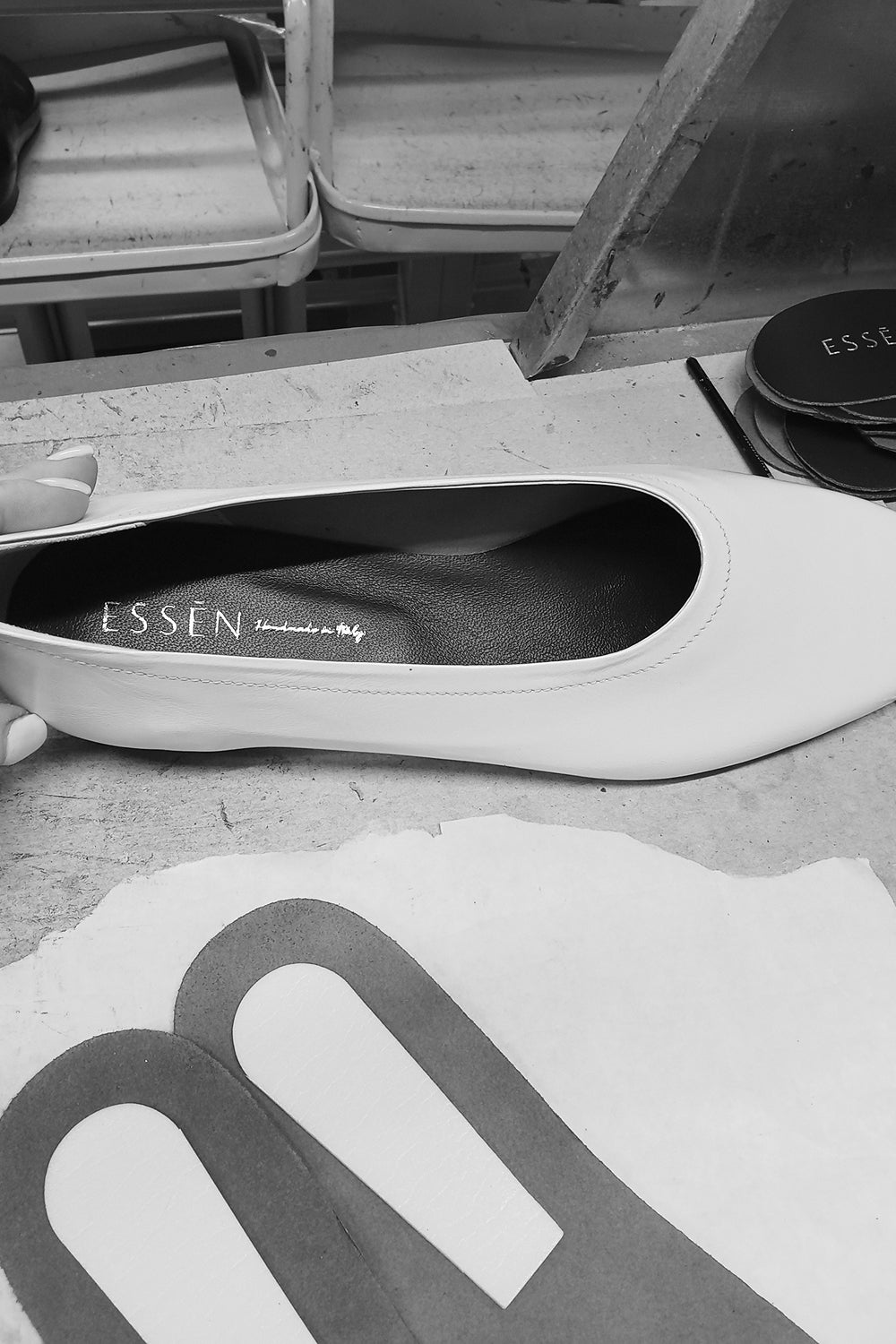
My understanding of responsibility has become less romantic over time. Shoemaking is incredibly complex. A shoe can contain many different materials bonded together, making it one of fashion's hardest products to make genuinely circular. Better materials and smaller runs matter, but they're not enough. Responsibility has to move through everything: sourcing, construction, packaging, logistics, and eventually, what happens at the end of a shoe's life.

Transparency has always been non-negotiable. I've always believed in showing our work and telling the stories of the people that make them - their craft, the materials, every step in the supply chain. I now just have better tools to communicate it.
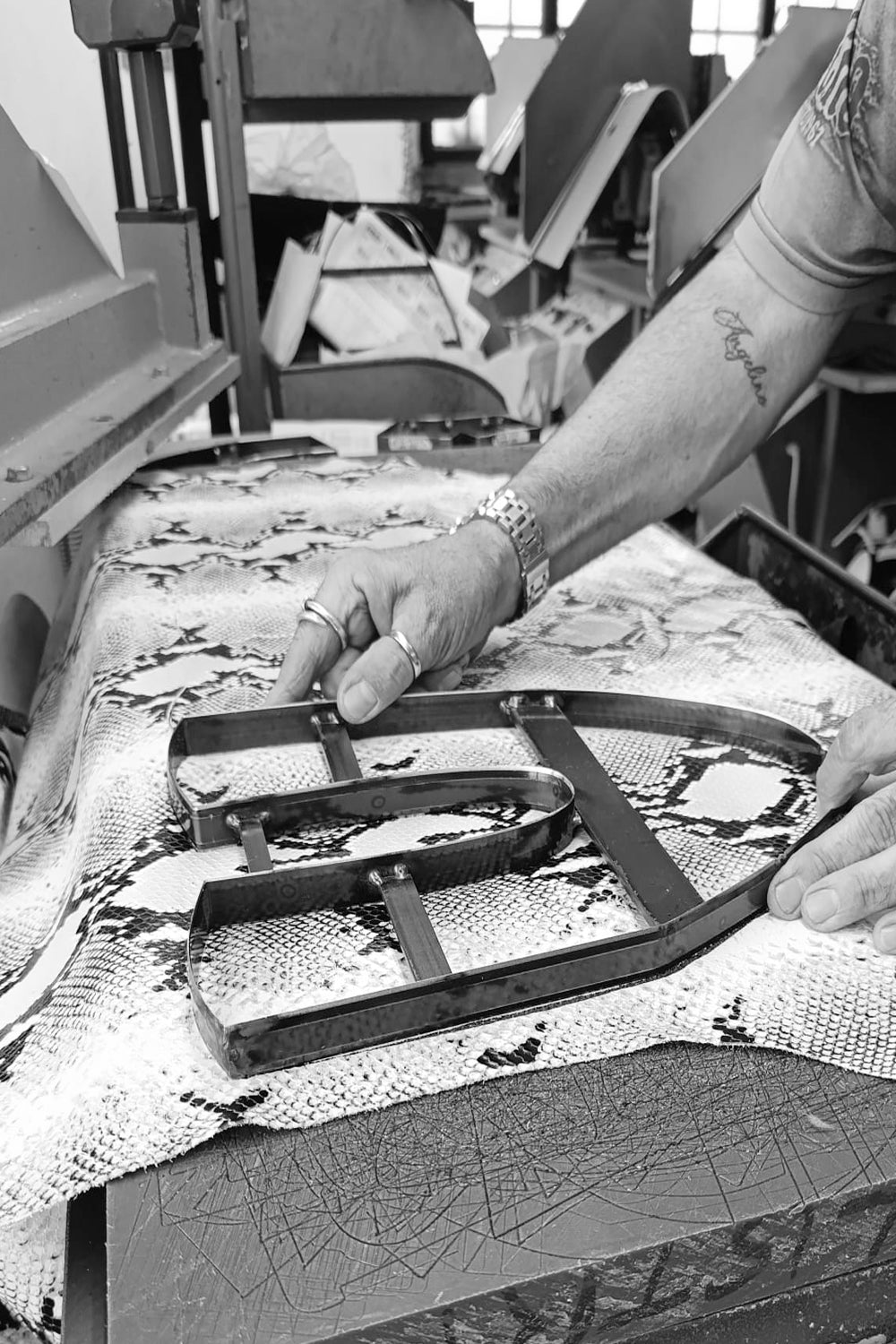
The people within that supply chain have changed me as a designer, too. Working alongside craftspeople whose families have been perfecting a last or a stitch for generations teaches you humility. Seeing the care that goes into something as small as a hand-finished edge changes the way you think about adding another detail. Does it respect the hands that have to execute it? Does it earn the extra time?
Some of those makers have become genuine friends. Some of the workshops and suppliers I began with have closed. Fewer young people are entering these trades, while the people keeping them alive are being asked to make more, faster, for less. If we want these skills to exist for another generation, admiring craftsmanship isn't enough. We have to make it possible for someone to make a living from it.

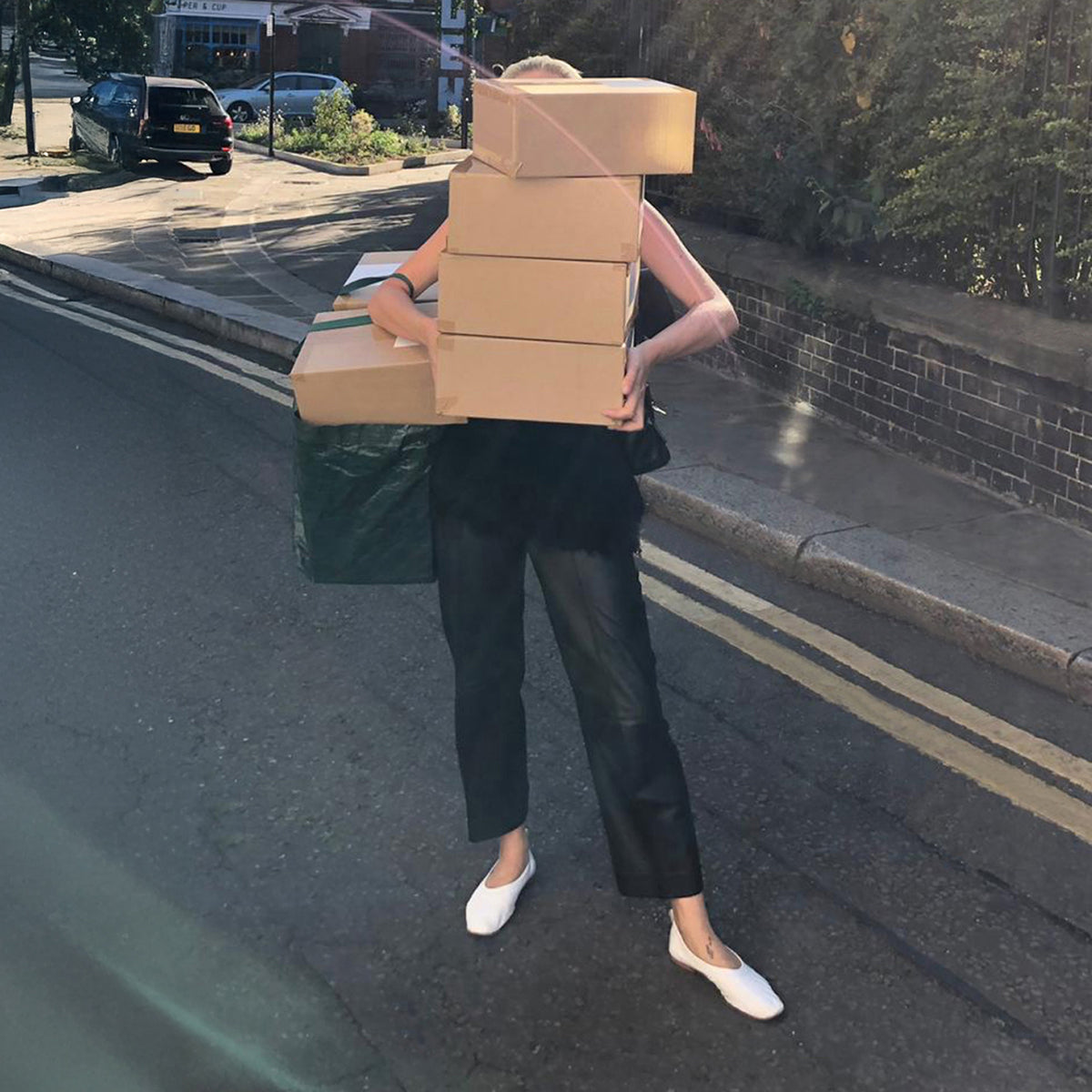
Not a wardrobe full of things. Fewer pieces that are truly loved.
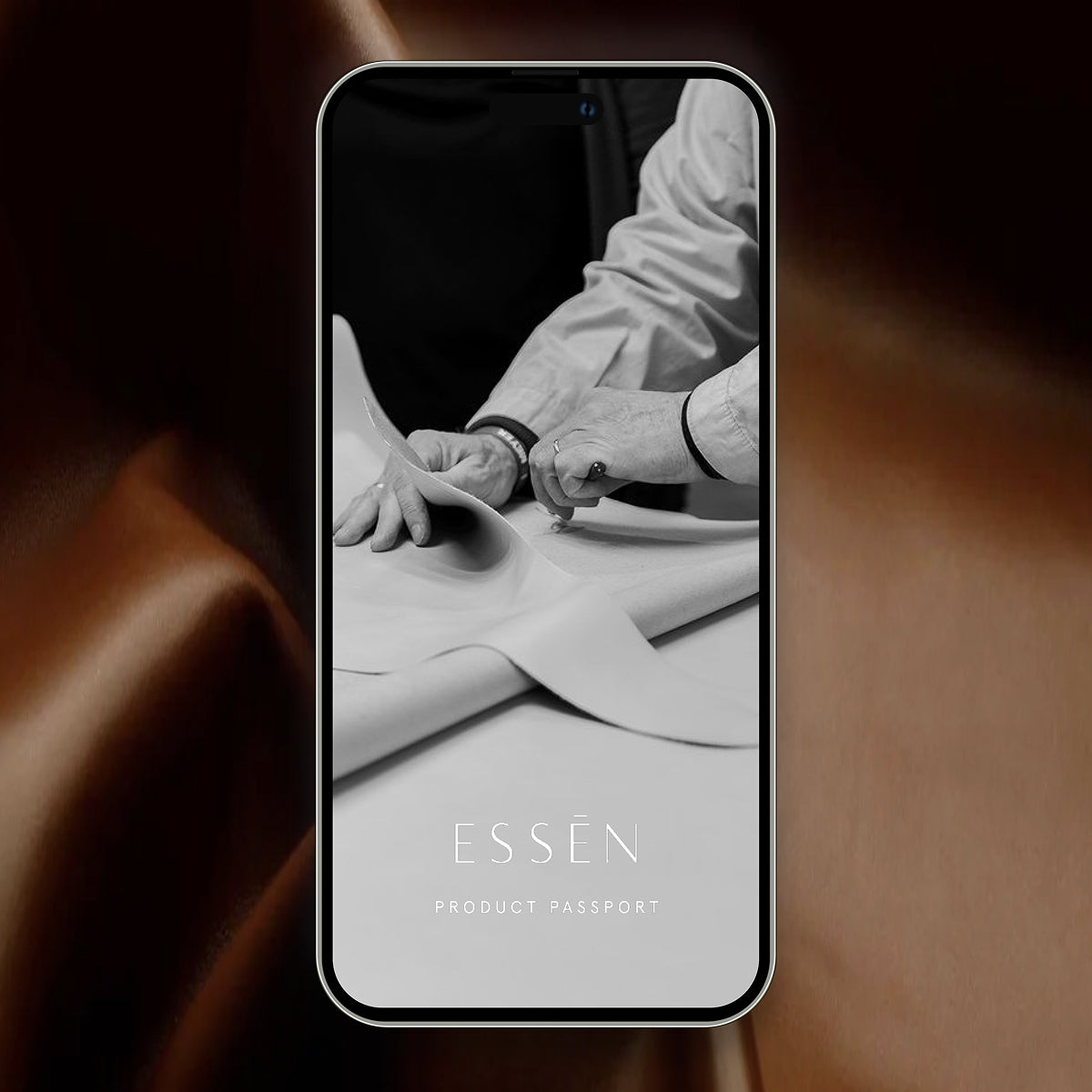
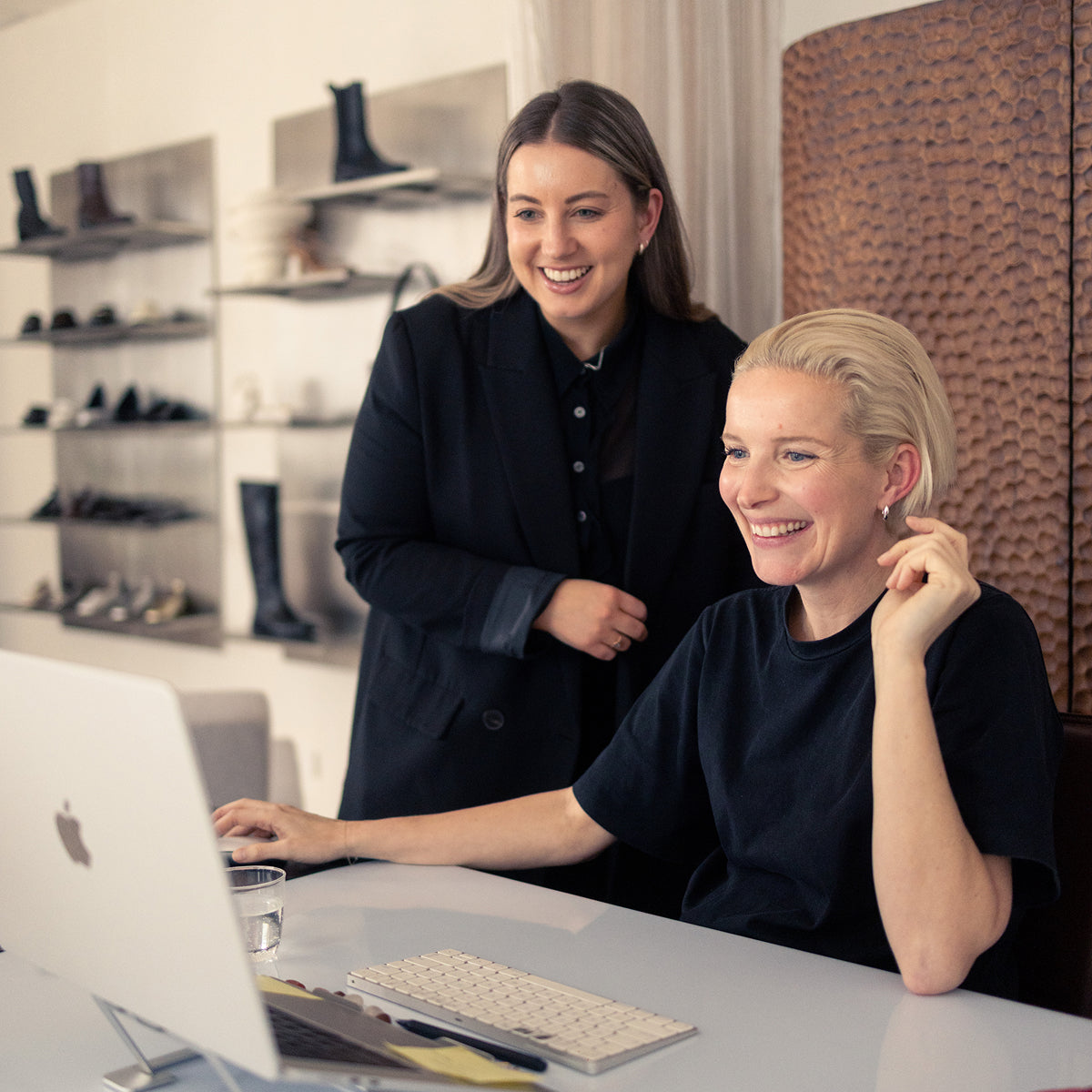
There are parts of the last ten years I never imagined. Tracing the journey of a shoe through a QR code. Designing our first physical studio. Building a team around something that began with me working from my bedroom in London. Becoming fluent in logistics, tariffs and finance because building something properly means understanding every part of it, not just the part you love.
Not a wardrobe full of things. Fewer pieces that are truly loved.
There are parts of the last ten years I never imagined. Tracing the journey of a shoe through a QR code. Designing our first physical studio. Building a team around something that began with me working from my bedroom in London. Becoming fluent in logistics, tariffs and finance because building something properly means understanding every part of it, not just the part you love.
Not a wardrobe full of things. Fewer pieces that are truly loved.
There are parts of the last ten years I never imagined. Tracing the journey of a shoe through a QR code. Designing our first physical studio. Building a team around something that began with me working from my bedroom in London. Becoming fluent in logistics, tariffs and finance because building something properly means understanding every part of it, not just the part you love.
And becoming patient. Much more patient.
The first chapter had an urgency to it. I was trying to prove something, mostly to myself, and there was very little room for anything but forward motion. This one feels quieter, but no less ambitious. I have a team around me now, relationships built over a decade, and enough experience to know which risks are worth taking.
I'm not chasing proof anymore. I'm building with more intention and, honestly, enjoying it more.
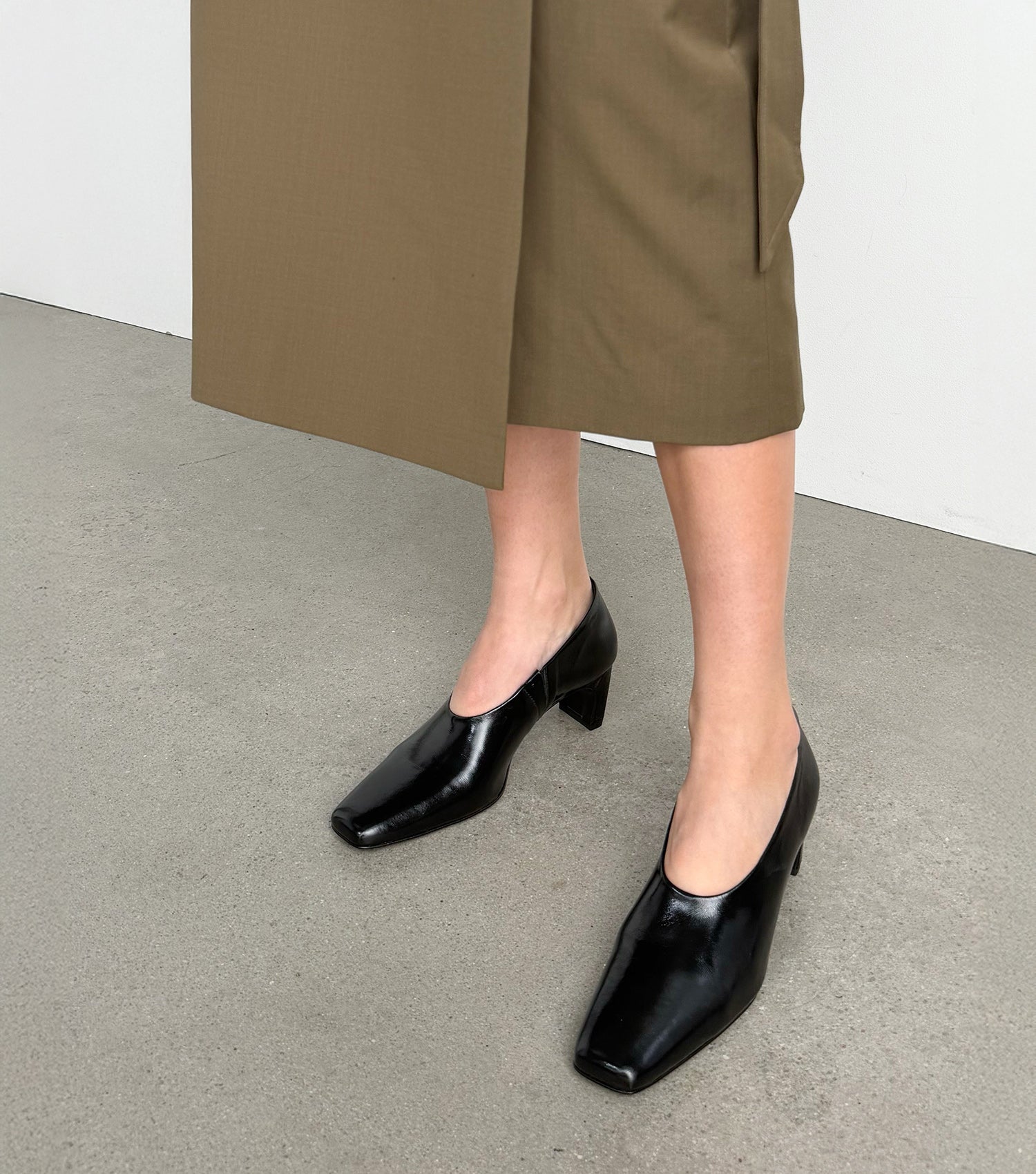
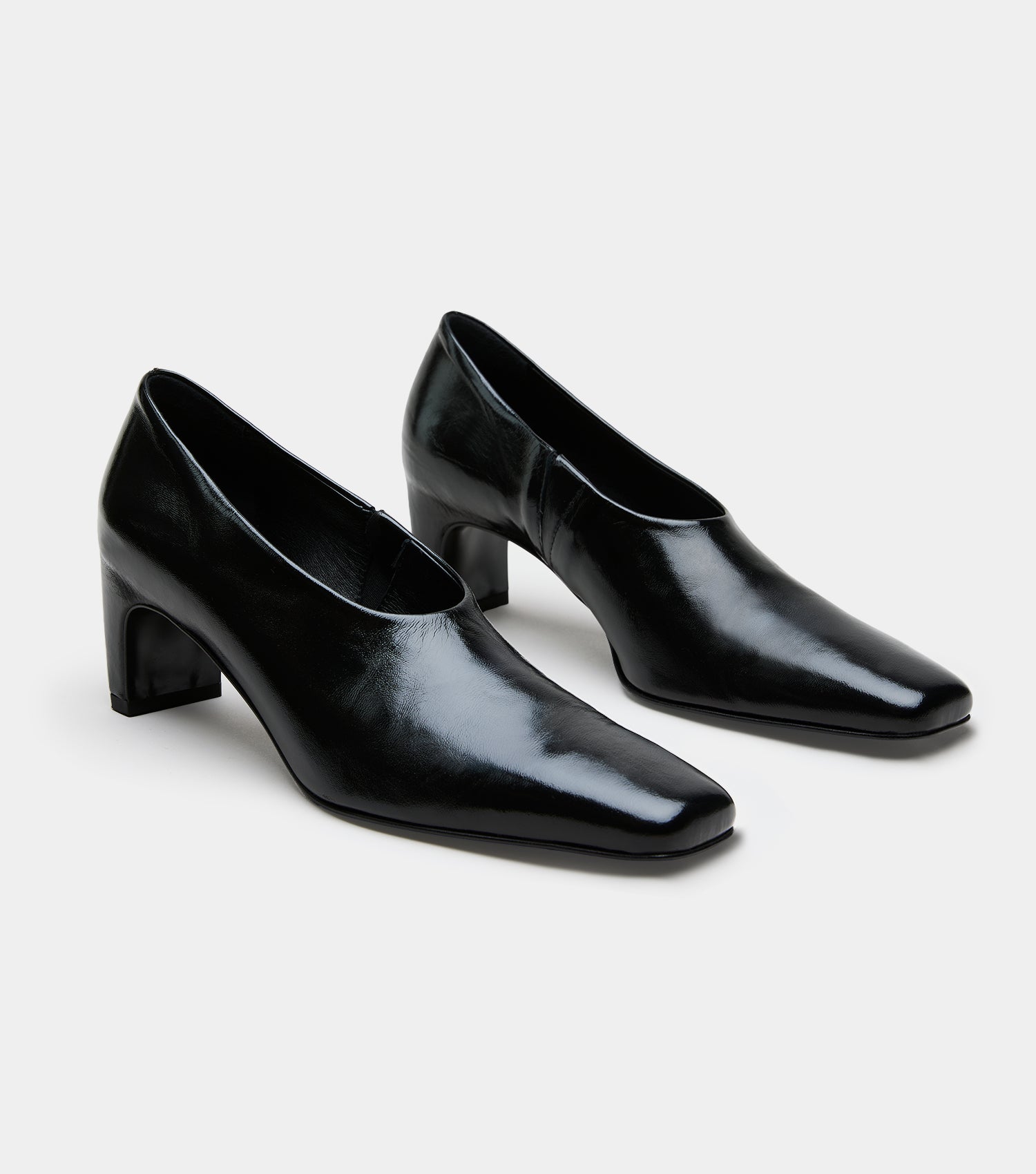
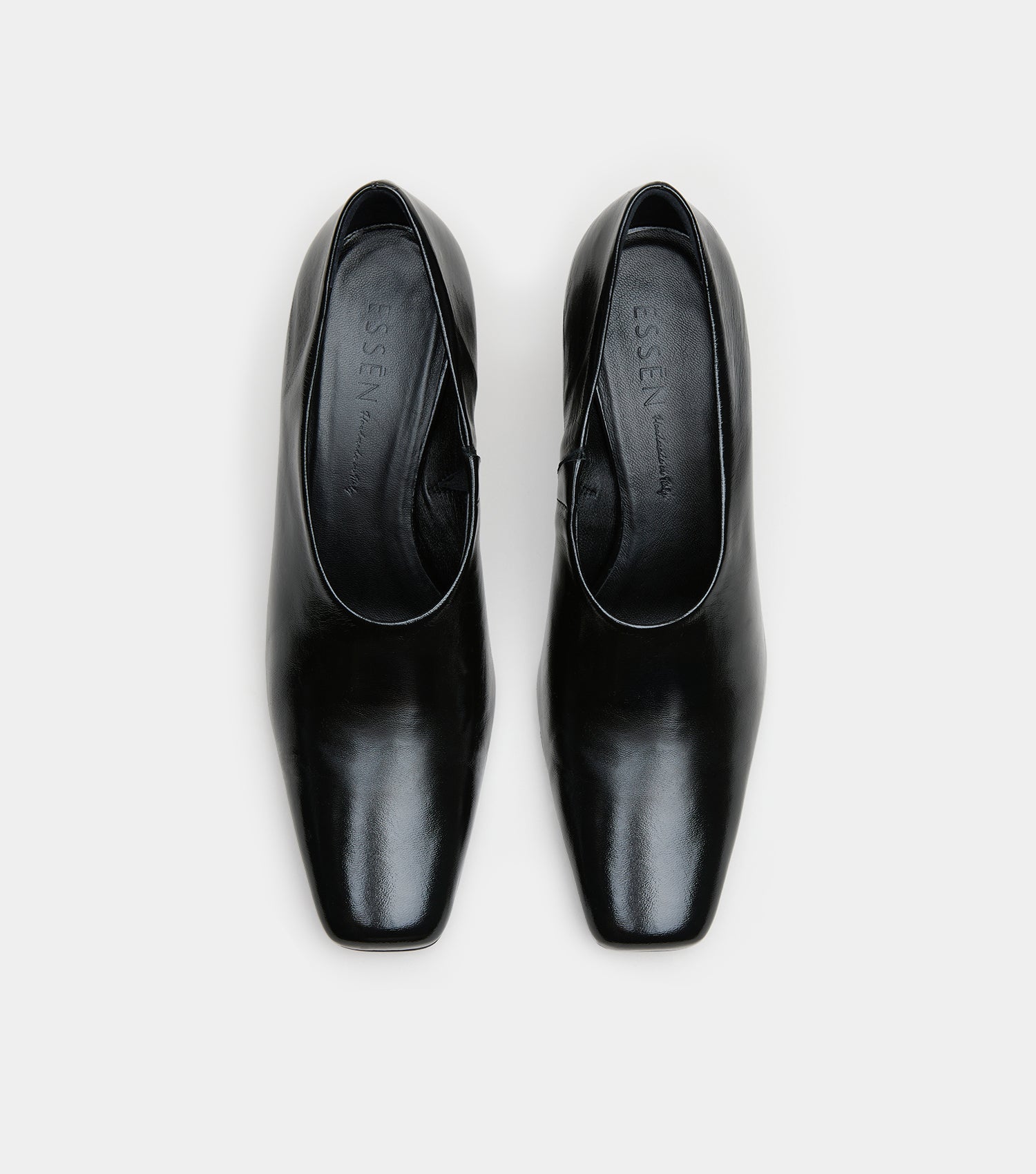
Ten years from now, I hope there are women still wearing the same ESSEN shoes they bought a decade earlier. A little worn in, well loved, and exactly what they needed.
That's always been the whole point.

Derniers styles